
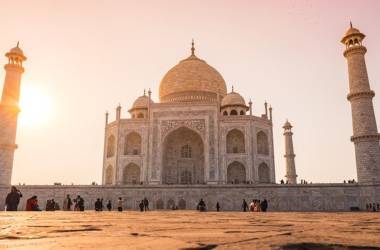
** AGRA TOURS, INDIA ** Read travel tips for AGRA from our amazing community of BLACK AND BROWN TRAVELERS that will help you find some of the… Read more…
Related Listings


** BEIJING, CHINA TOURS ** Read travel tips for Beijing from our amazing community of BLACK AND BROWN TRAVELERS that will help you find some of the… Read more…

Write a review (Basra)
You must be logged in to post a comment.
One Review
No comment found











Went while in the military; while I saw black people, I would not recommend.
Black people in Basra, Iraq, known as Afro-Iraqis, are descendants of East African slaves and migrants brought to the region starting in the 9th century, forming Iraq’s largest Black community concentrated in southern Iraq, particularly Basra, where they faced historical enslavement in salt marshes and agriculture, leading to cultural traditions like unique music (Khishba drumming) and rituals but also enduring discrimination, social marginalization, and struggles for recognition despite being full citizens.
Historical Roots
Slave Trade: Basra was a major hub for the East African slave trade under the Abbasid Caliphate, with people brought for arduous labor, especially in agriculture.
Zanj Rebellion: The harsh conditions led to the significant Zanj revolt in Basra in 869.
Migration: Some also came as sailors, laborers, traders, or scholars over centuries.
Culture & Identity
Religion: Most are Shi’a Muslims, blending African traditions with Islam, using Swahili chants in healing ceremonies.
Music: Famous for unique drumming and dancing, like the “Khishba” style, often seen at celebrations.
Language: Speak Iraqi Arabic and sometimes retain Swahili.
Challenges & Discrimination
Social Stigma: Often called derogatory terms like “abeed” (slave) and face racism, keeping them in lower economic strata (day laborers, musicians).
Political Marginalization: Despite efforts to organize politically (like the Free Iraqi Movement), they have little representation, and activists face violence, notes The Arab Weekly, and Minority Rights Group.
Intermarriage: Interracial marriage with Arabs often leads to family rejection.
Modern Day
Afro-Iraqis are organizing for civil rights and greater inclusion, seeking recognition and an end to discrimination, similar to movements like Black Lives Matter, reports Al-Fanar Media and New Lines Magazine.
They are advocating for curriculum changes and anti-racism laws, as their history and struggles are often erased from mainstream Iraqi narratives, according to The Atlantic Council and PeaceRep.